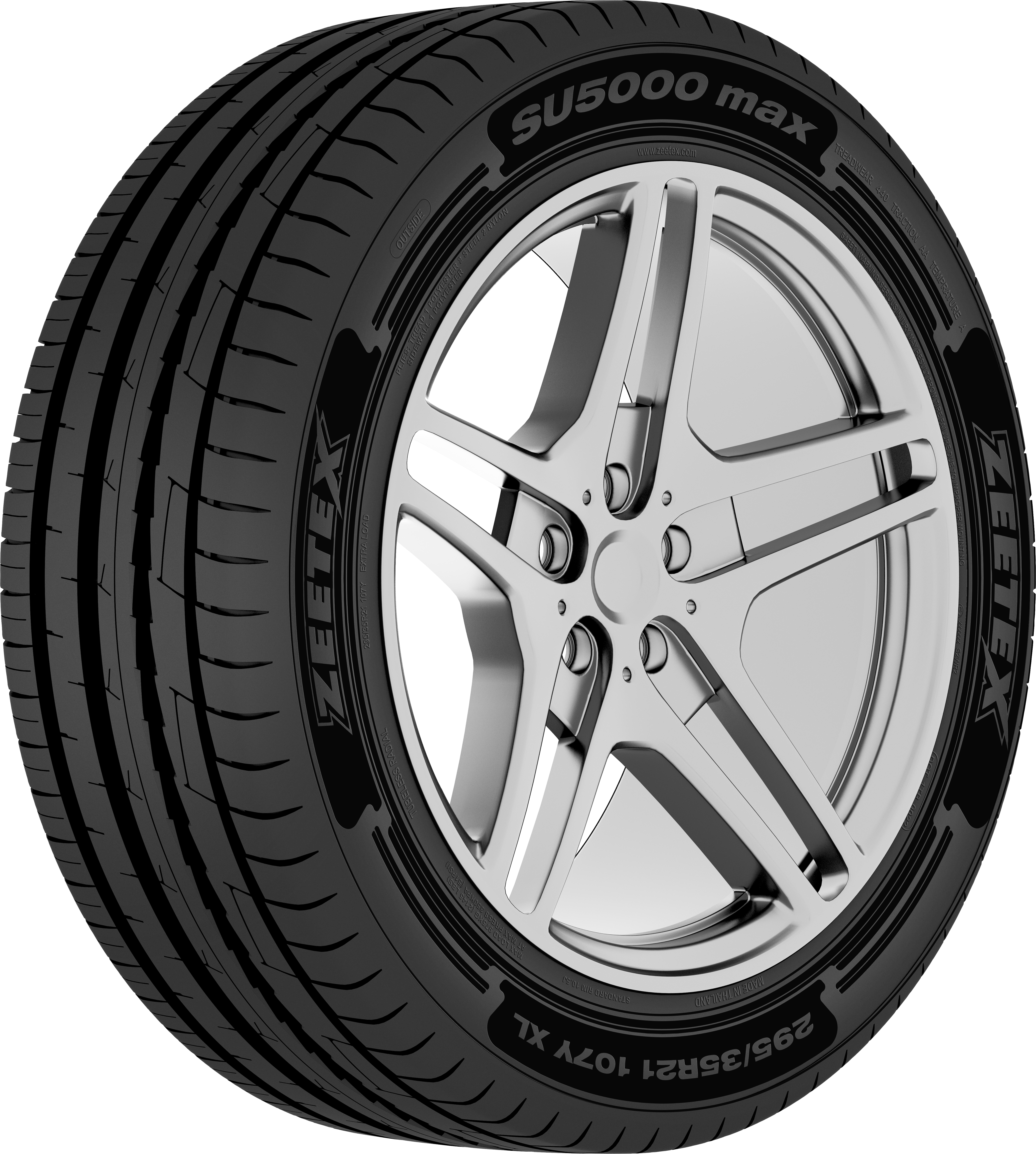
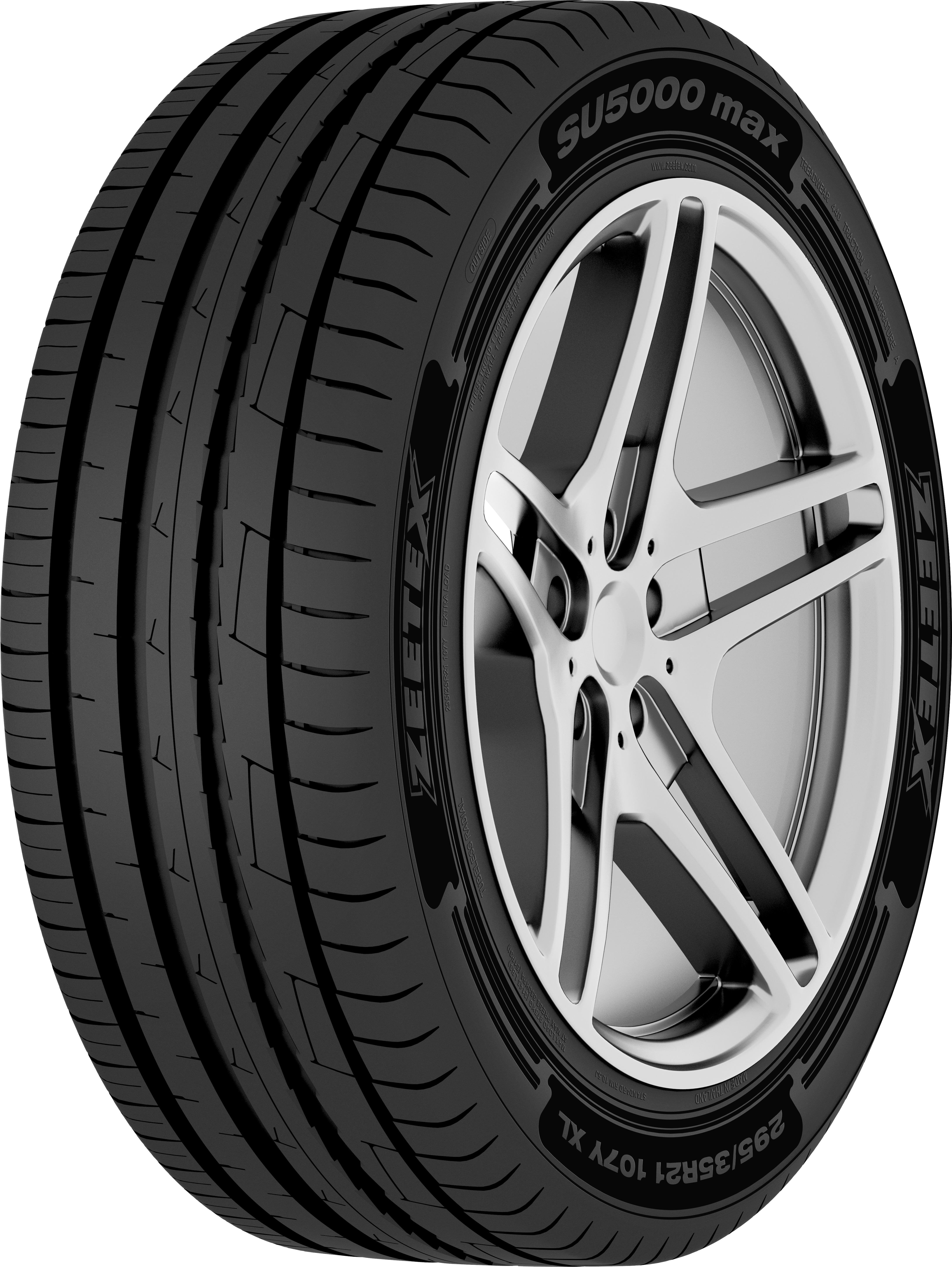
In the fast-paced world of automotive advancements, tyre technology has always been a critical area of innovation. With continuous efforts to enhance safety, performance, and sustainability, tyre manufacturers have introduced several groundbreaking developments in recent years. This article explores various exciting advancements in tyre technology.
Self-Healing Tyres
Imagine driving along a deserted road when suddenly, you hear the dreaded sound of a tyre puncture. Flat tyres can be not only inconvenient but also hazardous, especially in unfavorable driving conditions. Self-healing tyres aim to address this issue by automatically repairing punctures, reducing the need for immediate tyre changes and potential accidents.
These tyres are made using innovative materials that contain special polymers capable of “healing” themselves when punctured. These polymers have the ability to seal small punctures, preventing air leakage and maintaining adequate tyre pressure. Some self-healing tyres employ an inner lining made of these unique polymers, while others use capsules filled with a sealant that releases upon puncture, effectively sealing the hole.
Although self-healing tyre technology is still in its early stages, it holds tremendous potential for revolutionizing the automotive industry, providing drivers with added peace of mind and potentially reducing the frequency of tyre-related accidents.
Shape-Changing Tyres
Shape-changing tyres, also called adaptive or smart tyres, are designed to adjust their tread patterns in real time to match road surfaces, weather, and driving styles. Using advanced materials, sensors, and actuators embedded within the tyre, they can detect conditions like temperature or moisture and automatically alter their shape for optimal performance.
This adaptability enhances traction, handling, and safety. On wet roads, the tread can shift to disperse water and prevent hydroplaning, while on dry surfaces it can maximize grip and responsiveness. By continuously adapting, shape-changing tyres promise a safer and more efficient driving experience, especially for drivers who face diverse road conditions.
Intelligent Tyre Monitoring Systems
Traditional tyre pressure monitoring systems (TPMS) have been around for some time, providing drivers with alerts when tyre pressure drops below a certain threshold. However, advancements in tyre technology have given rise to intelligent tyre monitoring systems that offer more comprehensive and accurate data.
Intelligent tyre monitoring systems utilize advanced sensors embedded within the tyre to monitor various parameters such as temperature, pressure, tread wear, and road conditions. This real-time data is transmitted to the driver through a dashboard display or connected mobile app, allowing for proactive maintenance and improved performance.
Airless Tyres
Airless or non-pneumatic tyres mark a major shift from conventional tyre design. Instead of using air pressure for support and cushioning, they rely on advanced structures and durable materials to deliver similar performance. With a solid rubber or composite core, these tyres remove the risk of punctures and blowouts while offering enhanced durability and resistance to wear making them especially suited for rough terrains, commercial fleets, and off-road vehicles.
Their solid construction also reduces maintenance needs and lowers replacement frequency, which can help cut long-term costs. Beyond durability, airless tyres contribute to sustainability by minimising microplastic pollution often linked to traditional tyre wear.
Although still in testing and development stages, they show great potential across different sectors, from military vehicles and bicycles to small electric vehicles, offering a safer, more resilient, and environmentally conscious alternative to traditional tyres.
Energy-Generating Tyres
In the pursuit of sustainable transportation solutions, tyre manufacturers are exploring the concept of energy-generating tyres. These tyres integrate technologies that convert mechanical energy generated during driving into usable electrical energy.
One approach involves incorporating piezoelectric materials within the tyre’s structure. When the tyre deforms as it rolls over the road, the piezoelectric materials.